Ever wonder what everyday life feels like when your backyard is a beach and your commute crosses sparkling bay views? If you are drawn to an easygoing island rhythm with quick access to Miami’s energy, Key Biscayne might be a fit. You want the practical details first, from parks and schools to commuting, permits, and storm readiness. This guide gives you a clear picture of daily living so you can plan with confidence. Let’s dive in.
Why Key Biscayne
Key Biscayne is a small island village connected to Miami by the Rickenbacker Causeway. You get a quieter, outdoor‑oriented lifestyle with beaches, parks, and local services close by. Many residents are families and professionals who value convenience and community. The village structure and compact commercial area make day‑to‑day routines simple and predictable.
Everyday convenience
Beaches and parks
Two major parks bookend island life. Bill Baggs Cape Florida State Park offers a historic lighthouse, family‑friendly beaches, trails, and shaded picnic spots. Crandon Park brings wide beaches, a nature center, tennis facilities, and a public golf course managed by Miami‑Dade County. Expect posted beach rules, lifeguards at main areas, and parking or entry fees at county and state parks. On busy weekends, plan for earlier arrivals since prime lots fill fast.
Water activities
You can swim, snorkel in calmer areas, kayak, paddleboard, or head out on a boat. County parks provide public ramps, and nearby marinas serve regular boaters. Demand often spikes in peak season, so advance planning helps. Calm mornings and late afternoons are especially popular for paddling and sailing.
Dining and shopping
The island’s compact main street covers your daily needs. You will find cafés, casual and upscale restaurants, pharmacies, a full‑service supermarket, and small specialty shops. For big‑box stores or broader options, most residents drive to Coconut Grove, Brickell, or Coral Gables. Many people split shopping between the island during the week and the mainland for larger weekend runs.
Healthcare and services
Primary care, dental, and basic urgent care options are available on the island, along with local police and fire/EMS. For hospital care or specialized medicine, you will travel to mainland facilities. Most routine appointments are simple to manage within a short drive, while significant procedures or specialists require planning across the causeway.
Family life and schools
Public and private options
Key Biscayne is served by Miami‑Dade County Public Schools, with a neighborhood elementary or K‑8 school on the island. Middle and high school assignments may involve a mainland commute depending on zoning or magnet enrollment. Many families also consider private and parochial schools in Coconut Grove, Coral Gables, and other nearby Miami neighborhoods. Always confirm current boundaries, program availability, and transportation options before choosing a home.
Childcare and youth programs
Daycares and preschools exist on the island, though capacity can be limited. It is common to apply early or look at mainland programs. The village and local clubs offer youth sports like tennis, soccer, swimming, and sailing, along with camps and after‑school activities. Weekend tournaments and seasonal programs help kids stay active and connected.
Getting around
Causeway commute
The Rickenbacker Causeway is your single road link to Miami. Off‑peak trips to Coconut Grove, Brickell, and Downtown are often quick. Commute times vary during rush hour and can slow significantly around special events or peak beach days. Build buffer time for school drop‑off, evening returns, and weekend beach traffic.
Transit and alternatives
Miami‑Dade County Transit operates bus service linking the island to mainland hubs. Depending on schedules, many commuters still prefer driving or rideshare. On the island, biking and walking work well for short trips. Cyclists enjoy the causeway, but you should follow posted regulations and use caution during busy periods.
Parking and bikes
Residential streets combine permits and on‑street parking. Parks and beaches use a mix of free and paid lots, which can fill quickly on weekends and holidays. Sidewalks and bike lanes support everyday riding, though you will want extra caution near the causeway and at peak times.
Housing and daily living
Home types and HOAs
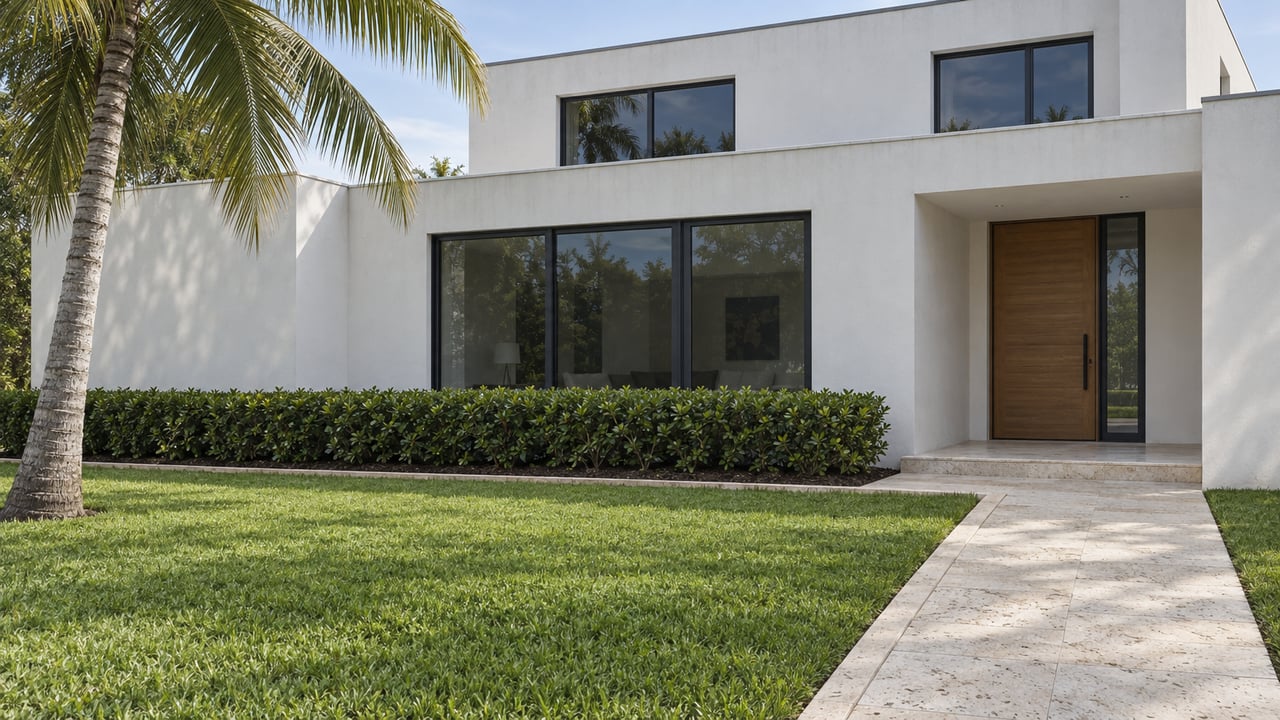
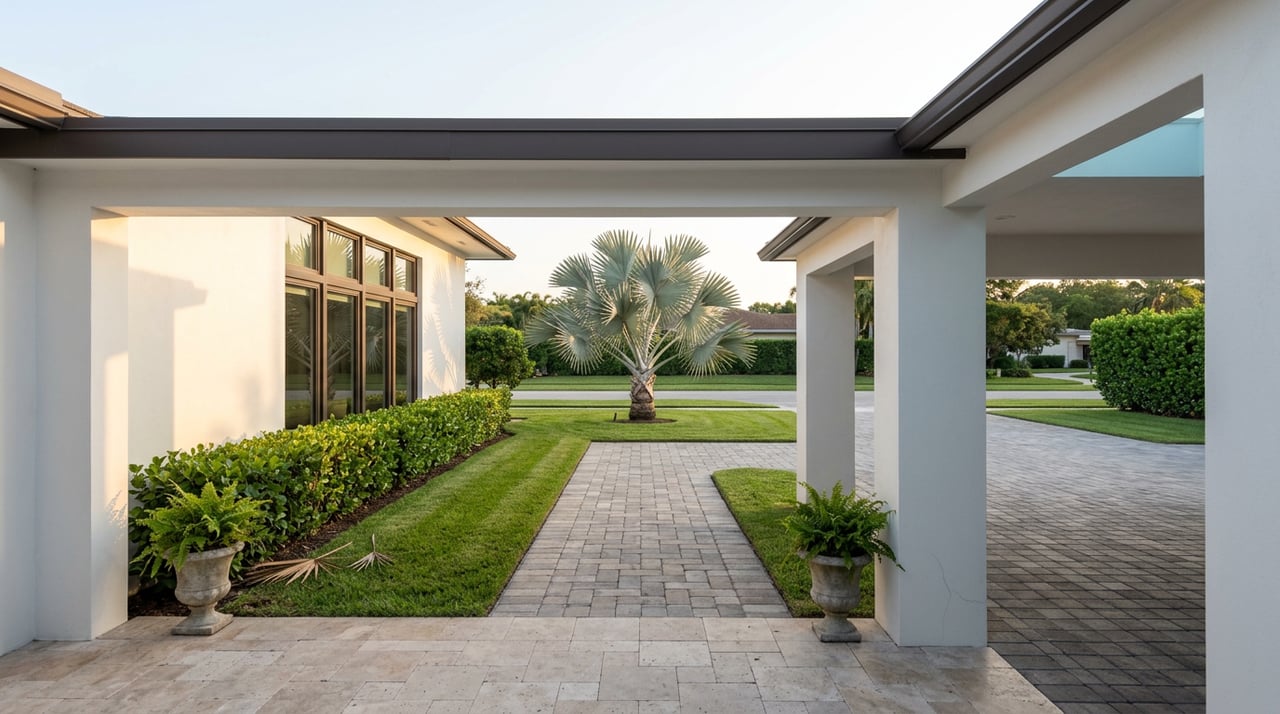
You will find a mix of single‑family homes, townhomes, mid‑rise condos, and high‑end waterfront buildings. Many condominiums offer pools, fitness centers, and on‑site amenities that shape your daily routine. Condo associations and HOAs are common, so factor monthly assessments and rules into your lifestyle and budget. Review building policies on renovations, leasing, pets, and amenity usage before you commit.
Utilities and internet
Water, sewer, electricity, and trash are provided through village and county contracts, with set schedules and rules for pickup and recycling. High‑speed internet is widely available, often through cable or fiber. If you are considering an older building, confirm service speeds and providers for the exact address.
Insurance and flood risk
Island living brings exposure to storm surge and strong winds. Flood insurance and windstorm coverage are common for both owners and renters. To understand premiums, elevation, and flood zones, consult the FEMA Flood Map Service Center. Your insurance agent can also explain mitigation options that may improve insurability.
Permits and rules
The Village of Key Biscayne handles local permits and many ordinances. Coastal standards, hurricane protection, and environmental rules can affect renovation timelines and costs. Short‑term rentals may be regulated by the village and by your building or HOA. If you plan to rent your home or host longer visits, review local rules and association bylaws first.
What a typical week feels like
Weekday mornings
You might start with a jog along the beach or a quiet walk under mature trees. Parents drop off kids at local schools or head to the mainland for work. The causeway views are beautiful, and leaving a little early helps you miss the rush.
Midday
Streets feel calm while many professionals are off‑island. Cafés and lunch spots serve residents and visitors enjoying the parks. If you work from home, midday is great for an outdoor break or a quick paddle session.
Evenings and weekends
As the sun lowers, beaches and parks fill with families. Dinner out can be as simple as walking to a café or grabbing a table at a neighborhood favorite. On weekends, traffic builds toward Crandon Park and Bill Baggs, so early arrivals make for easier parking and quieter beaches.
Newcomer checklist
- Confirm HOA or condo rules, monthly assessments, and any leasing limits.
- Review flood and wind insurance needs and check your address on the FEMA Flood Map Service Center.
- Verify school zoning, magnet options, and transportation before you choose a home.
- Map your commute across the causeway at rush hour and during weekend peaks.
- Set up utilities, trash and recycling schedules, and internet service in advance.
- If you plan renovations, research village permits, coastal standards, and timelines.
- For boating, review ramp access, storage options, and seasonal demand.
- Keep a hurricane kit and a family plan ready before storm season starts.
Climate and readiness
Tropical seasons
Warm, humid summers and mild winters support outdoor living year‑round. Winter often brings more visitors to the beaches, which can impact parking and traffic. Sun protection and hydration become daily habits, especially for kids and active adults. Most residents plan errands earlier or later in summer heat.
Hurricane prep
Hurricane season runs June through November. The village and county provide evacuation information, and you should monitor updates from the National Hurricane Center. Prepare a supply kit, secure important documents, and make a plan for boats, patio furniture, and vehicles. If an evacuation is ordered, leave early to avoid causeway congestion.
Community and events
Key Biscayne has an active community life with local clubs, seasonal events, and volunteer opportunities. Beaches and parks host cleanups, sports tournaments, and family activities. Civic groups and nonprofits bring neighbors together, and many residents enjoy pitching in.
Ready to explore homes that match your lifestyle goals in Key Biscayne? Connect with the Ramona Bautista Team for personalized guidance on neighborhoods, commute planning, and a smooth move. Hablamos español.
FAQs
Is Key Biscayne a good fit for families?
- Yes, you will find family‑friendly beaches, parks, youth sports, and a neighborhood school, with neutral school assignment determined by Miami‑Dade County zoning and programs.
How does commuting from Key Biscayne work?
- You will drive the Rickenbacker Causeway to reach the mainland, with quick trips off‑peak and slower times during rush hour, special events, and busy beach weekends.
Where do residents shop for groceries?
- The island has a full‑service supermarket and specialty shops for daily needs, while many people visit Coconut Grove, Brickell, or Coral Gables for big‑box and larger weekly runs.
What should I know about hurricane season?
- Hurricane season runs June through November, so you should keep a plan and monitor the National Hurricane Center for updates and forecasts.
Are short‑term rentals allowed in Key Biscayne?
- Rules vary, so you should check the Village of Key Biscayne ordinances and your condo or HOA bylaws before planning any short‑term rental activity.
What home types are common on the island?
- You will find single‑family homes, townhomes, and many condos, including waterfront buildings with on‑site amenities like pools and fitness centers.