Thinking about moving to Miramar but not sure where to start? You are not alone. When you are relocating from out of state, it is hard to visualize neighborhoods, commute routes, and how to go from renting to owning with confidence. In this guide, you will learn how Miramar is laid out, which areas fit different commute needs, and a clear first-90-days plan to help you settle in and prepare to buy. Let’s dive in.
Why Miramar works for relocators
Miramar sits in southwestern Broward County with quick access to major highways and a wide mix of housing, from garden-style apartments to gated, master-planned communities. You can rent first while you learn the area, then buy once your commute and lifestyle feel right. The city’s layout makes it easy to focus your search by commute corridor, amenities, and home type.
How Miramar is laid out
Central and Town Center corridor
This is Miramar’s mixed-use heart with shops, restaurants, and civic services. You will find multi-family options and newer rental communities near major retail. If you want easy errands and quick access to services, this corridor keeps daily life simple.
Northern Miramar
Northern areas offer primarily residential subdivisions with a mix of older and newer single-family homes. Lots may be a bit larger in some pockets. If you want a balance between suburban living and access to northern Broward employers, this area is worth a look.
Western Miramar
Western Miramar sits closest to I-75, which is a key advantage for commuters heading north or south. You will see several master-planned and gated communities with amenities. If your workdays involve I-75 or the Sawgrass Expressway, living near these interchanges can cut time and stress.
Southern Miramar near the Miami-Dade line
These neighborhoods sit closer to employment centers to the south. If you commute to Miami, Doral, or the airport area, being near the county line can help. You may also find more single-family rental options here as you transition to buying.
Gated and master-planned options
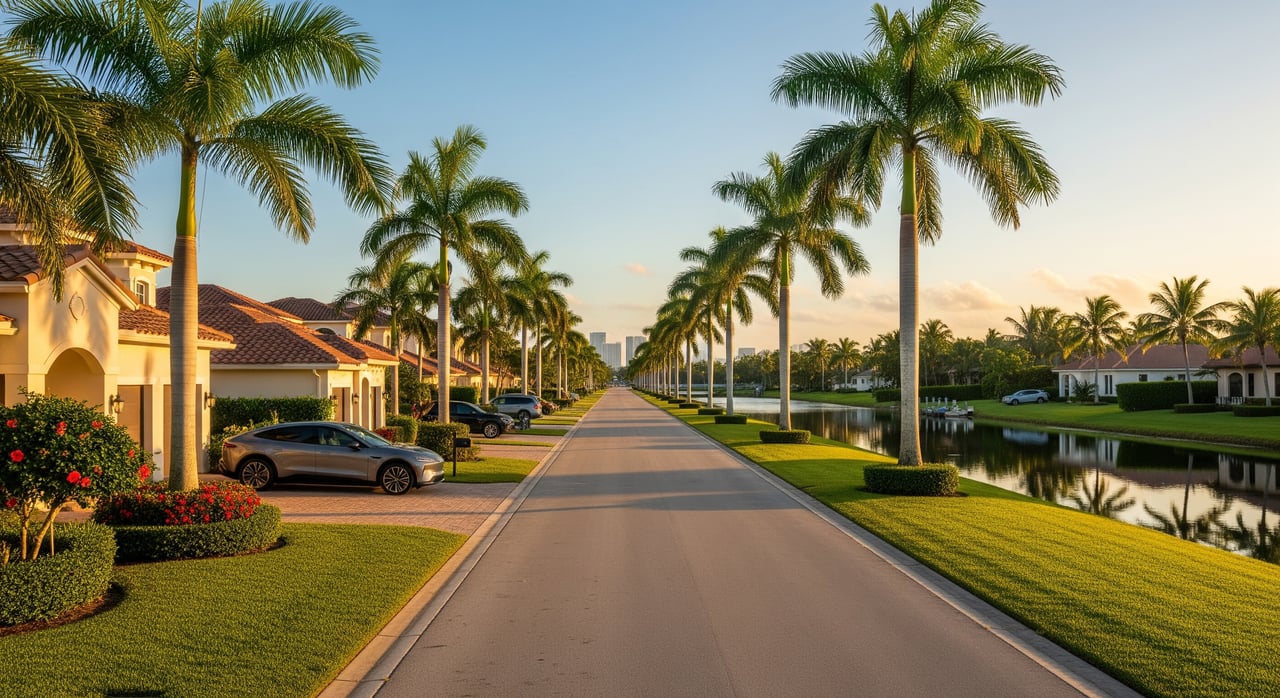
Miramar includes gated, amenity-rich communities that appeal to long-term planners. Expect pools, club-style features, and neighborhood security depending on the community. If you plan to stay put and want on-site amenities, these areas can be a strong fit.
How to choose your area
- Commute tolerance: Test drive times at real peak hours, not just weekends.
- School boundaries: If relevant, check Broward County Public Schools attendance zones before you sign a lease or make an offer.
- Rent versus buy: Single-family rental density can hint at future purchase options nearby.
- Daily-life convenience: Town Center and commercial corridors keep errands short; many subdivisions are car-focused.
Commute paths and realistic times
Key highways and connectors
- I-75: Runs along Miramar’s western side. It is the main north-south route for many residents and connects to I-595 and beyond.
- Florida’s Turnpike: A tolled route east of Miramar used for trips toward central Broward, Fort Lauderdale, or as an alternative to I-95 into Miami-Dade.
- Pines Boulevard and Miramar Parkway: East-west arterials that link neighborhoods to I-75 and the Turnpike.
- US-441/SR-7: A major surface corridor with retail and services that can be congested.
- I-95: Farther east and useful for coastal destinations. You will reach it via connectors like I-595 or SR-84.
Typical drive times by destination
Plan for longer travel during rush hour and occasional incidents. Always verify with real-time navigation before you decide where to live.
- Downtown Fort Lauderdale and central Broward: About 20 to 40 minutes off-peak; 30 to 60 minutes or more during peak.
- Fort Lauderdale–Hollywood International Airport and Port Everglades: About 20 to 40 minutes normally; up to 45 to 60 minutes or more at peak.
- Downtown Miami, Brickell, Doral, and Miami International Airport: About 35 to 60 minutes in lighter traffic; well over an hour during heavy southbound peak or major events.
- Western Broward employers along I-75: About 15 to 30 minutes depending on the exact interchange.
Transit options at a glance
- Broward County Transit (BCT): Local and regional bus routes connect Miramar to shopping, civic centers, and park-and-ride lots. Frequency varies by route.
- Tri-Rail: Regional commuter rail linking West Palm Beach, Fort Lauderdale, and Miami. Many Miramar residents drive to a nearby station or use BCT to connect.
- Rideshare and first-mile/last-mile: Uber and Lyft are common for short hops. Car ownership remains typical for daily commutes.
Commute planning tips
- Test your drive both ways during the hours you will actually travel.
- Use traffic tools and live navigation to spot patterns over several weekdays.
- If you have flexible hours or a hybrid schedule, broaden your neighborhood options to match that flexibility.
Your first 90 days in Miramar
Week 0 to 1: Utilities and essentials
- Electricity: Most addresses are served by Florida Power & Light. Open your account and schedule your start date.
- Water, sewer, and solid waste: Managed by the City of Miramar or a contracted provider. Confirm setup steps with your landlord if you are renting.
- Internet and telecom: Book installation as early as possible. Building availability drives your options and appointment timing.
- Lease details: Clarify deposits, repair processes, and any HOA rules tied to your property.
- Mail and banking: Set up USPS mail forwarding and confirm local banking access if you need it.
By day 30: Licenses, registration, and insurance
- Driver license and vehicle registration: New Florida residents are required to obtain a Florida driver license within 30 days of establishing residency and to register vehicles if you become a resident. Check current Florida Highway Safety and Motor Vehicles rules and required documents before you go.
- Voter registration and civic updates: If desired, register and get familiar with local services.
- Insurance: Confirm renters insurance and update auto insurance to your Florida address.
Weeks 2 to 6: Settle into daily life
- Schools and childcare: If applicable, confirm attendance zones and complete public or private school steps.
- Healthcare: Identify a primary-care doctor and dentist. Map urgent care and hospital routes.
- Daily routes: Learn your nearest groceries, pharmacies, parks, and gas stations.
- Community channels: Join neighborhood, HOA, or local online groups for updates and advisories.
Weeks 3 to 12: Get market-ready
- Financial prep: Organize documentation, and consider a local banking relationship if helpful for underwriting.
- Mortgage pre-approval: Choose a lender familiar with Florida taxes and insurance, including flood coverage where applicable.
- Agent partnership: Work with a local agent who understands rental-to-buy strategies, inspections, and HOA rules.
- Commute trials: Repeat your rush-hour drives while you narrow neighborhoods.
Rental-to-buy timeline and costs
A practical 6 to 12 month plan
Many relocators rent for 6 to 12 months to validate commute patterns, confirm school boundaries, and compare communities. If you have strong pre-approval and can tour quickly, some buyers make the move in about 3 months. Inventory turnover and your comfort level with the area will guide your pace.
Financing factors in Broward
- Insurance: Factor homeowners and flood insurance where required. Flood zones and elevation can change premiums and lender requirements.
- Property taxes: Review Broward County property records or listing tax estimates to model monthly costs.
- Florida homestead exemption: This benefit for primary residences can reduce your property tax liability if you qualify. Confirm rules and deadlines with the county property appraiser.
- HOA fees: Many subdivisions in Miramar have associations. Include dues and rules in your decision-making.
Inspections and closing
- Inspections: Order a general home inspection and wood-destroying organism inspection, and add roof, pool, HVAC, or plumbing specialists as needed.
- Disclosures: Florida has seller disclosure requirements, but you should still rely on thorough inspections and due diligence.
- Timelines: Mortgage closings typically take 30 to 60 days after an accepted offer. Cash deals can move faster.
Seasonal and local risks
- Hurricane season: Build a preparedness plan and understand how storms can affect insurance, repairs, and closing dates.
- Flood risk: Verify FEMA flood maps and elevation certificates where applicable. Your lender may require flood insurance.
- Market speed: South Florida inventory can move quickly. With pre-approval in hand, be ready to tour and submit strong offers.
Sample rent-to-buy calendar
- Month 0: Sign your lease, set up utilities, and start your Florida driver license process.
- Month 1: Complete local orientation, school steps if needed, and begin lender conversations.
- Month 2: Narrow your target neighborhoods and start active tours. Track days on market and price trends.
- Month 3: Submit offers with confidence. Plan for a 30 to 60 day mortgage closing after acceptance.
How we can help
Relocating is easier when you have a local partner who speaks your language, understands Broward’s neighborhoods, and knows the rental-to-buy path. The Ramona Bautista Team serves South Florida with bilingual guidance, relocation support, and a clear plan from first tour to closing. If you want a calm, strategic move into Miramar with strong negotiating support, we are ready to help.
Ready to start your Miramar plan? Connect with the Ramona Bautista Team for a local consultation.
FAQs
What part of Miramar is best for a Miami or Doral commute?
- Western and southern Miramar offer quicker access to I-75 and the Miami-Dade line. Always test your exact rush-hour route before signing a lease.
How long is the commute from Miramar to downtown Fort Lauderdale?
- Expect about 20 to 40 minutes off-peak and 30 to 60 minutes or more during peak, depending on your corridor and traffic conditions.
Are there public transit options if I do not want to drive daily?
- Broward County Transit buses serve Miramar and connect to regional hubs, and Tri-Rail offers commuter rail to Miami, Fort Lauderdale, and West Palm Beach via nearby stations.
When do I need to get a Florida driver license after moving?
- New residents are required to obtain a Florida driver license within 30 days of establishing residency; confirm current Florida Highway Safety and Motor Vehicles requirements.
How long should I rent before buying in Miramar?
- Many relocators rent for 6 to 12 months to confirm commute and neighborhood fit, though well-prepared buyers can sometimes purchase in about 3 months.
What extra costs should I plan for when buying in Broward County?
- Budget for homeowners insurance, flood insurance where required, property taxes, potential HOA dues, inspections, and closing costs.