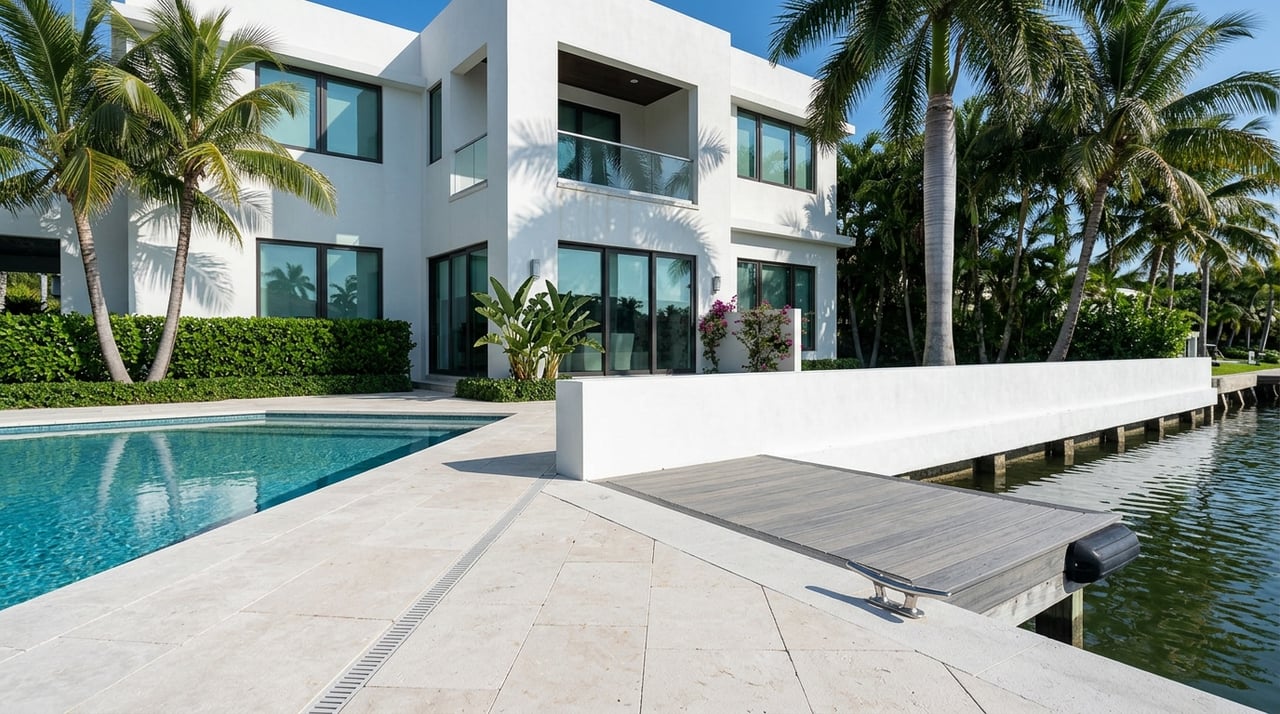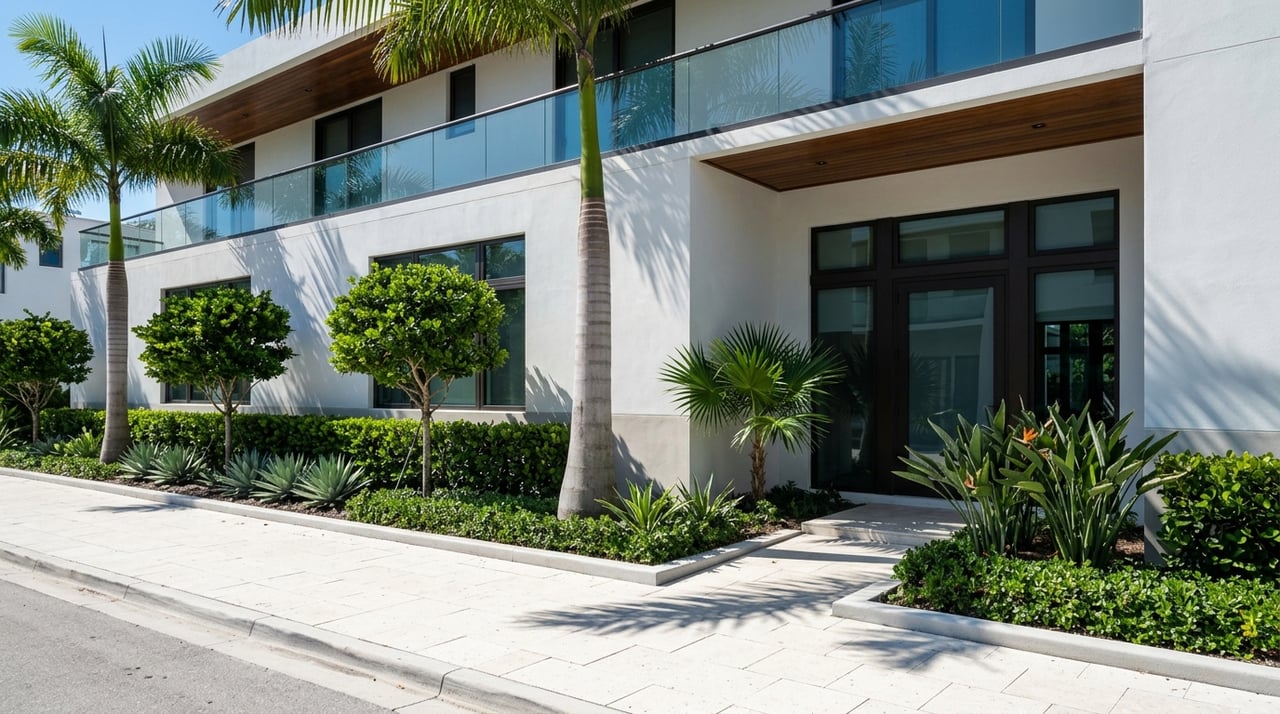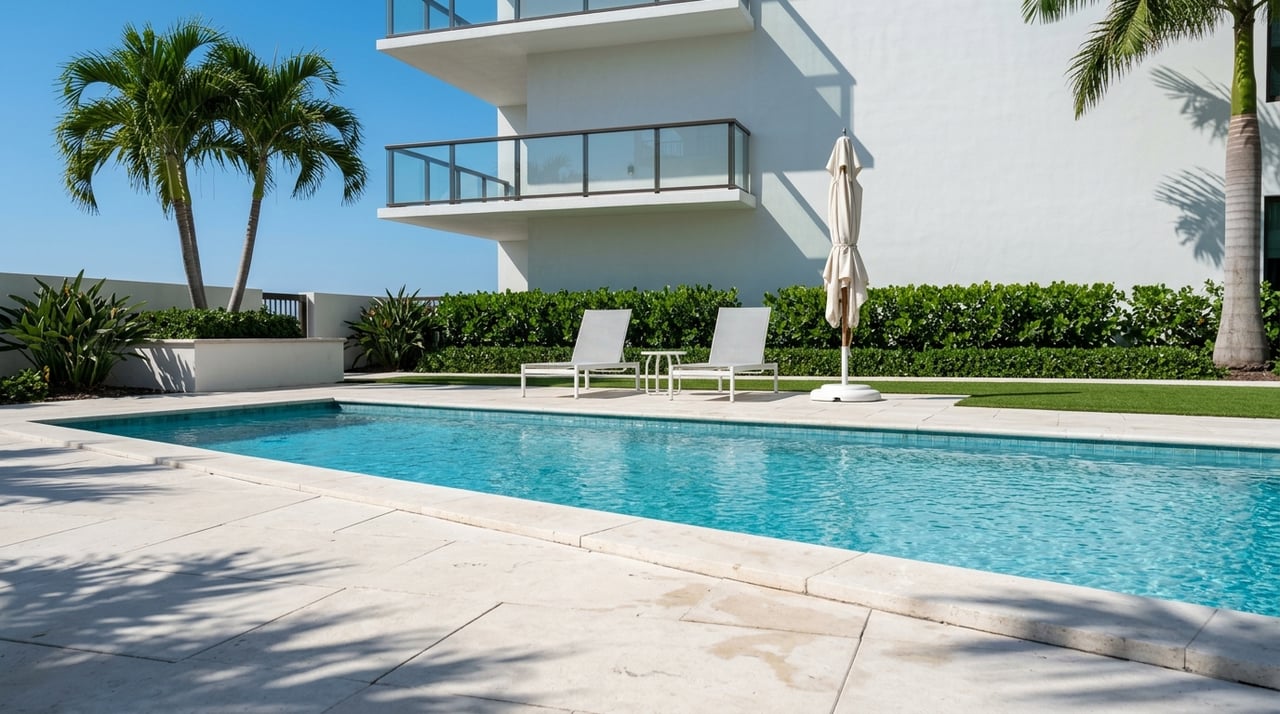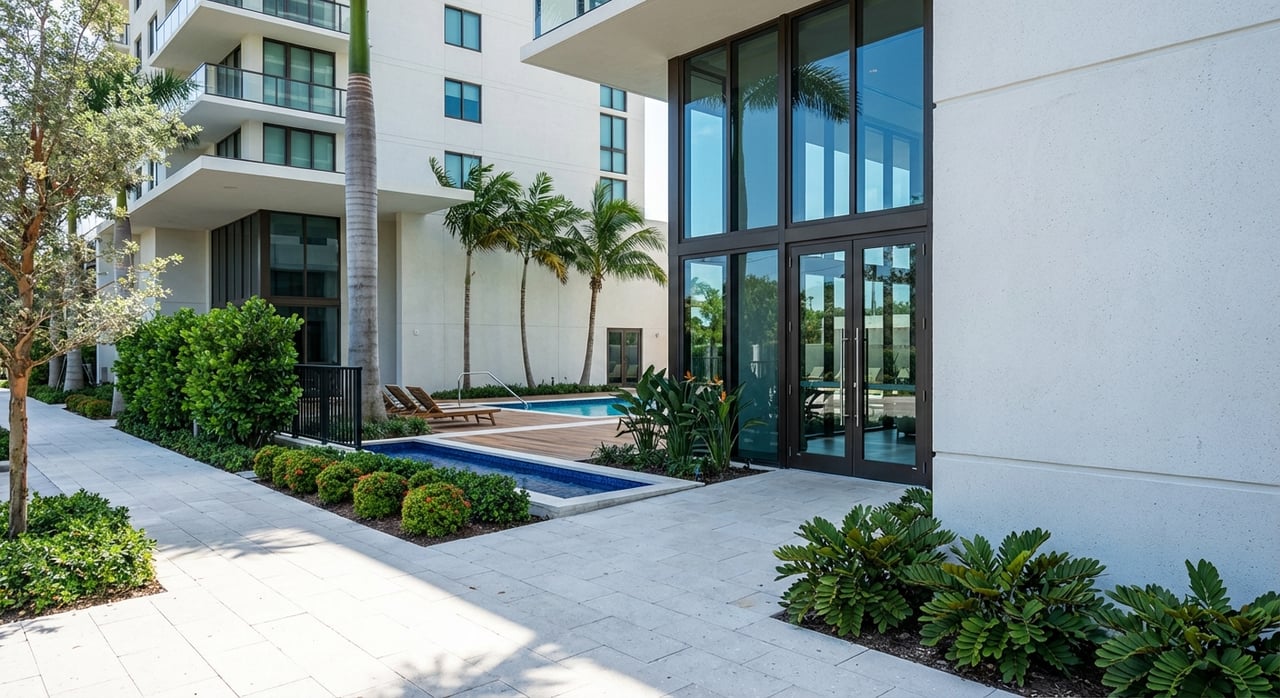
If you picture waking up to skyline views, grabbing coffee downstairs, and walking to the office, Brickell might be your perfect fit. This is Miami’s high-rise heart where work, dining, and home stack neatly on compact blocks. Still, choosing the right condo and planning your daily routine can feel overwhelming. In this guide, you’ll learn what living in Brickell really looks like, from condo types and amenities to commute options and price bands. Let’s dive in.
Brickell at a glance
Brickell is Miami’s dense financial and residential core, defined by tall condo towers, office buildings, and mixed-use hubs such as Brickell City Centre. The lifestyle is urban and vertical, with many residents working close to home. Sidewalks stay active from early morning to late night, and most daily needs are within a short walk or quick ride.
The neighborhood sits largely in ZIP codes 33131 and 33130, which show very high population density and a large share of renters. That mix explains the steady flow of new buildings and the strong rental market you see on listing sites. If you want a city feel with condo convenience, Brickell delivers it in a compact footprint.
Condo options in Brickell
Brickell has a wide range of buildings, from hotel-level luxury towers to older, budget-friendlier options. Here is how they generally break down, with examples to help you picture the lifestyle.
Luxury full-service towers
At the top of the market, you get hotel-style services, dramatic views, and large amenity decks. Brickell Flatiron is a good reference point for the high-end experience, with upscale finishes, a strong concierge culture, and resort-style common areas. Four Seasons-branded residences also represent this tier, where you pay a premium for service, privacy, and design.
Large multi-tower complexes
Icon Brickell illustrates the big-complex experience. Icon Brickell combines multiple towers, a signature pool deck, spa and fitness facilities, and on-site dining. These complexes often have a wide range of floor plans, which can be helpful if you want choice on size and exposure in the same address.
Boutique and older towers
Smaller buildings and pre-2000 towers often offer lower entry prices for Brickell. You tend to see more compact floor plans and simpler amenities, which can appeal to budget-conscious buyers and investors. Expect less of the hotel-level service and more straightforward condo living.
Brickell Key and the waterfront
Brickell Key is a small island connected by a short bridge near the neighborhood core. It offers a quieter waterfront setting with jog paths and a more tucked-away feel, yet it stays close to Brickell’s restaurants, shops, and transit. If you want water views and a calmer pocket, this can be a great match.
New and pre-construction luxury
Newer and planned buildings continue to push amenity design and, in some cases, allow more flexible rental rules. Branded and hotel-residence hybrids are part of that pipeline, reflecting rising demand for full-service living and lifestyle perks across Miami’s core.
What amenities you can expect
Most Brickell buildings lean into convenience. Think pool decks, fitness centers, 24/7 front desk or concierge, valet or garage parking, package rooms, and resident lounges. Large complexes and luxury towers emphasize resort-style design, and nearby retail nodes like Brickell City Centre make errands and dining easy.
Here are the amenity trends shaping everyday life in Brickell:
Work-from-home support
Newer towers and many renovations add co-working rooms, private call booths, and robust Wi-Fi in common areas. These updates reflect national resident preferences for flexible workspaces and convenience, as covered in industry overviews of modern apartment amenities. Resources like this amenity trends guide track how co-working, smart features, and package management have become standard.
Package management and contactless features
Secure package lockers, staffed package rooms, and app-based deliveries now show up across many high-rise buildings. If you get frequent deliveries, ask how packages are handled and whether there are size limits for oversized items.
EV readiness
Level-2 charging and EV-capable parking are increasingly on the checklist for new developments and HOA upgrades. Buildings that already provide charging can stand out for long-term owners and tenants. For context on why this matters, see EV-readiness insights from providers like Blink Charging.
Wellness and fitness
Beyond basic gyms, you will see boutique-style fitness rooms, recovery areas, and outdoor training spaces in higher-end projects. Pools remain a centerpiece of South Florida living and are often a deciding factor between buildings.
Note that expansive amenity lists can raise association fees. Always weigh lifestyle perks against monthly carrying costs and any current or planned assessments.
Walkability, transit, and getting around
Walkability
Brickell is one of Miami’s most walkable areas, especially in the central blocks. Sidewalks, ground-floor retail, and short block lengths make errands straightforward. Still, walkability varies by street and building. Check the Walk Score for specific addresses, and visit at different times of day to see pedestrian patterns for yourself.
Transit options
- Metromover is a free, automated system with tight station spacing in Downtown and Brickell. It is popular for short trips and office commutes. Learn routes and hours on the official Miami-Dade Metromover page.
- Metrorail connects the urban core to longer corridors, including the AirportLink toward Miami International Airport. You can pair Metrorail with Metromover for a fully transit-based commute.
Micromobility such as bikes and scooters fills the last mile for many residents. Some buildings offer bike storage, and lanes are expanding around the urban core. Always confirm storage options and building rules before you buy.
Typical travel times
- Brickell to Miami International Airport: about 15 to 25 minutes by car off-peak, with rail/transit often 30 to 60 minutes depending on transfers and timing. Check real-time schedules before you go.
- Brickell to Miami Beach/South Beach: commonly 15 to 30 minutes by car, depending on origin, destination, and traffic. By public transit, expect about 40 to 45 minutes on published routes; see example routing comparisons on Rome2Rio.
- Inside Brickell, many residents walk or take Metromover to work. ZIP 33131 reports a mean travel time to work of about 19.7 minutes, compared to around 31.0 minutes countywide, per City-Data’s 33131 profile.
What your budget buys
Prices in Brickell vary by building age, location, view, floor, and amenity level. Third-party snapshots put the neighborhood’s typical home value around the high five to mid six figures. For context, recent reports show a “typical home value” near about $589,000 and some median listings around the mid-$700,000s. Actual asking prices vary by tower and unit.
Here is how budgets usually sort:
- Under $500,000: Studios and smaller 1-bed units in older or simpler buildings sometimes appear in this range. Inventory is limited and changes fast.
- $500,000 to $1,000,000: Many 1-bedrooms and some compact 2-bed layouts across newer and older towers live here. This is the widest selection band for many buyers.
- Over $1,000,000: Larger 2- to 3-bedroom residences, high floors with views, and branded or waterfront product. Expect higher association fees and premium finishes.
Rental context and investors
Renters will find a premium market. Aggregated neighborhood medians often land around the high $3,000s to low $4,000s per month, with a wide spread by building, view, and size. This shifts with seasonality and inventory.
For investors, condos make up a large share of Miami-area rental activity. Local association reports highlight strong condo rental participation, which draws investor interest while increasing competition and the need to study building rules closely. For market context on condo rental dynamics, see coverage from the MIAMI Association of Realtors. Before you buy for rental use, request the condo documents, confirm minimum lease terms, and review any short-term restrictions and local ordinances.
HOA and monthly costs
In Brickell high-rises, association fees are a key part of your budget. It is common to see several hundred dollars per month for a 1-bedroom, with larger units and luxury buildings carrying higher fees. Ask for the full monthly breakdown, including parking, storage, amenity subscriptions, and any special assessments, so you can compare buildings on an apples-to-apples basis.
Brickell lifestyle tips for choosing a condo
- Prioritize your view and exposure. Water and skyline views are prized, but consider sun patterns and potential glare or heat on balconies.
- Check the bedroom-to-bath ratio. Compact floor plans can live bigger if they include a thoughtful layout and adequate storage.
- Ask about parking and EV charging. Verify assigned spaces, guest parking policies, and whether the HOA supports EV chargers or has a plan to add them.
- Study building rules. Review pet limits, rental policies, move-in fees, insurance requirements, and any restrictions on short-term stays.
- Test your commute. Ride Metromover or Metrorail at your likely times, and drive the route to the airport or Miami Beach during rush.
- Compare HOA value, not just cost. Large amenity decks and concierge service can be worth it if you will use them regularly.
- Look for WFH support. Co-working rooms, quiet nooks, and strong Wi-Fi can improve your daily routine in a high-rise setting.
Ready to tour Brickell?
If you want city energy with condo convenience, Brickell offers a compelling mix of location, amenities, and short commutes. Whether you are buying, renting, or investing, the right building makes all the difference. For tailored guidance, bilingual support, and current listings that match your goals, connect with the Ramona Bautista Team. We will help you compare buildings, clarify HOA rules, and negotiate your best outcome.
FAQs
How walkable is Brickell for daily errands?
- Central blocks are very walkable for groceries, coffee, gyms, and dining, but walkability varies by street and building. Check address-level Walk Score and visit at different times.
Do you need a car if you live in Brickell?
- Many residents live car-optional thanks to the free Metromover and nearby retail, yet a car helps for airport trips, certain beaches, and suburban errands.
What does about $700,000 buy in Brickell condos?
- Often a 1-bedroom or compact 2-bedroom depending on tower, floor, and finishes; views, newer construction, and larger amenity decks tend to push prices higher.
How long is the commute from Brickell to Miami Beach?
- By car, commonly 15 to 30 minutes depending on traffic and exact destinations; by public transit, about 40 to 45 minutes on typical routes per tools like Rome2Rio.
Are Brickell condos investor-friendly for rentals?
- Many buildings allow rentals, but lease terms and short-term rules differ. Review condo docs and local rules, and see rental market context from the MIAMI Association of Realtors.
What amenities are most common in Brickell condos?
- Expect pools, fitness centers, 24/7 front desk or concierge, garage or valet parking, and package rooms, with large complexes like Icon Brickell showcasing resort-style decks and on-site services.