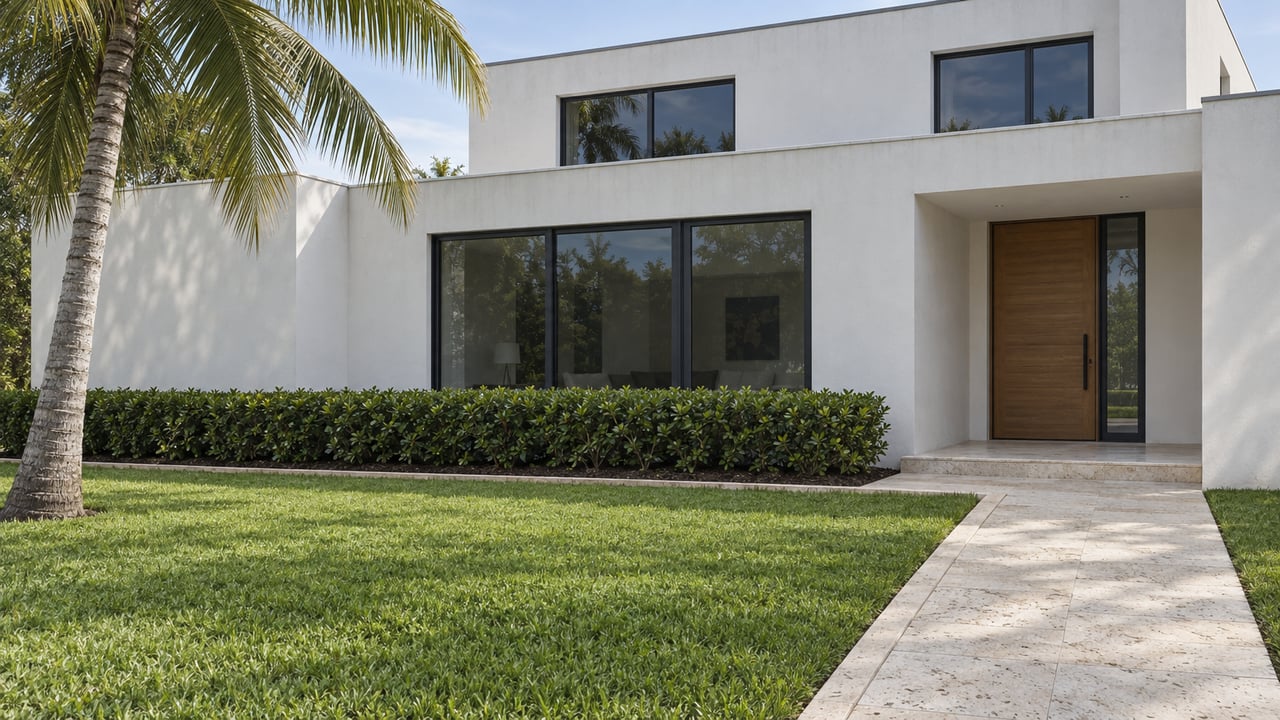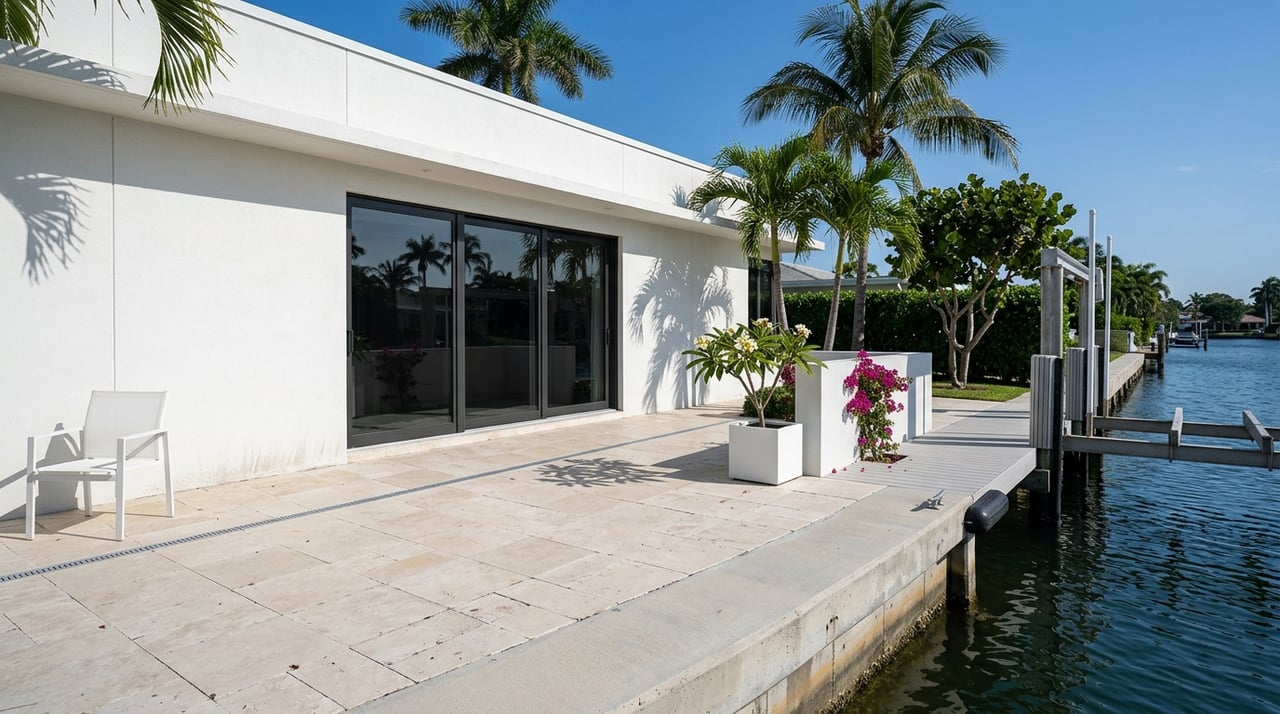
Selling a waterfront home in Fort Lauderdale can feel very different from selling a typical property. Buyers are not just looking at your home’s interior. They are also weighing boating access, dock setup, seawall condition, permits, and how your property compares to a limited pool of other waterfront options. If you want to protect your price and avoid delays, it helps to know what matters most before you list. Let’s dive in.
Fort Lauderdale waterfront selling is different
A waterfront home often attracts a more selective buyer than a standard residential listing. In Fort Lauderdale, that matters even more because the broader market is moving at a measured pace. Redfin reports a February 2026 median sale price of $651,250, about 105 days on market, and roughly two offers per home.
That does not mean waterfront sellers cannot do well. It means precision matters. The same market data shows a city where buyers have time to compare options, while higher-end properties can still stand out when pricing, presentation, and property details are handled well.
On the luxury side, Broward continues to show strength. MIAMI REALTORS reported that Broward single-family sales at $1 million and up rose 11% year over year in January 2026, and Fort Lauderdale led Broward’s luxury market in 2025 with 36 sales of $10 million or more.
Waterfront value goes beyond the word “waterfront”
Many sellers assume the water alone creates a simple premium. In reality, waterfront pricing is much more property specific. The Appraisal Institute notes that unique properties require close study of supply, demand, and marketability, and its waterfront guidance points to details like water access quality and shoreline amount.
In practical terms, buyers usually focus on a few big value drivers:
- View quality and orientation
- Usable water frontage
- Boat access and navigation practicality
- Dock and lift functionality
- Seawall condition
- Regulatory and permit status
That is why two homes on the same canal can sell at very different prices. A better view, more usable dockage, or stronger marine improvements can materially change both demand and negotiation leverage.
Why view matters
A view is a real valuation factor, but it is not a one-size-fits-all premium. The Appraisal Institute’s guidance treats scenic and waterfront analysis as a specialized comparable-sales exercise.
For your sale, that means buyers may ask questions like these:
- Is the water view wide or narrow?
- Does the orientation improve light and daily enjoyment?
- Is the frontage actually usable for boating?
- Do comparable waterfront sales support the price?
The strongest pricing strategy accounts for those details instead of relying on broad assumptions.
Boating features can shape buyer demand
Fort Lauderdale’s boating culture is a major part of local waterfront demand. The Fort Lauderdale International Boat Show says its event contributes about $1.79 billion to Florida’s economy. That helps explain why many buyers pay close attention to dockage, lift capacity, and marine-ready features.
If your home is marketed as a boating property, buyers will likely want clear, specific information. General language is not enough. They may want to know dock dimensions, lift specs, slip details, and whether the current setup supports the type of vessel they plan to use.
Details buyers may expect upfront
For many Fort Lauderdale waterfront listings, the most useful marketing details include:
- Dock length and layout
- Lift capacity and condition
- Number of slips, if applicable
- Seawall age and repair history
- Water access characteristics
- Recent marine-related improvements
The more clearly you present those facts, the easier it is for remote and cash buyers to evaluate the property with confidence.
What to gather before listing
A strong pre-listing packet can help you avoid last-minute renegotiations. It also reduces the chance that a buyer uncovers missing information during inspections or due diligence.
Based on city and county guidance, sellers should be ready to gather:
- A current signed and sealed survey
- Permit history
- Seawall age and repair records
- Dock specifications
- Lift specifications
- Any county license or transfer information if the property includes slips
The City of Fort Lauderdale states that all exterior work requires a current signed and sealed survey and site plan, and its permit categories specifically include boatlift, dock, seawall, and pile work. The city also notes in its building services FAQ that permit reviews are generally attempted within 30 working days, though waterfront projects can take longer because multiple agencies may be involved.
Seawall and dock rules can affect your timeline
One of the biggest differences in a waterfront sale is that marine improvements may raise compliance questions before or during escrow. If a buyer is already thinking about updates, they may look closely at current conditions and what future work could involve.
Fort Lauderdale says its revised tidal barrier ordinance raised the minimum height of seawalls and tidal barriers to 5 feet NAVD from 3.9 feet NAVD. The city says this can trigger action for new seawalls, seawalls with more than 50% damage, or tidal-flow breaches.
That does not mean every seller needs immediate seawall replacement. It does mean seawall condition and documentation can become an important negotiation point, especially if a buyer wants clarity on future costs or compliance.
Broward County licensing matters too
Dock and in-water structures may also involve county review. Broward County states that construction of docks, seawalls, floating vessel platforms, and other in-water structures requires an Environmental Resource License.
The county also notes that waterfront single-family residences with fewer than five slips are not treated as marine facilities. If a property has five or more slips, marine-facility licensing rules apply, and if a property with a marine facility is sold, the transfer application is due within 30 days.
If your home includes multiple slips or specialized dockage, that is worth reviewing before you go to market.
Flood-zone questions are normal
Flood-zone questions come up on many waterfront sales, and buyers often ask early. FEMA says the Flood Map Service Center is the official source for flood-hazard mapping products, and lenders use flood maps to help determine insurance requirements.
For sellers, the key is simple: be ready with accurate property information and documentation. Clear answers can help reduce uncertainty and keep negotiations focused.
Pricing a waterfront home in today’s market
In a market where buyers have options, pricing strategy matters more than ever. Broward County single-family homes had a January 2026 median sale price of $620,000, 5.1 months of supply, a 47-day median time to contract, and an 88-day median time to sale, according to MIAMI REALTORS.
For a waterfront property, broad county or city averages are only the starting point. Your real price position depends on a narrow set of comparable sales and on the boating, view, frontage, and seawall details buyers care about most.
Overpricing can be costly in a selective market. Waterfront buyers tend to notice quickly when a home is priced like a superior boating property but lacks the same marine utility or documented improvements.
Why precision beats optimism
A smart pricing approach should account for:
- Recent comparable waterfront sales
- Quality of view and orientation
- Water frontage usability
- Dock, lift, and seawall condition
- Permit and compliance history
- Current buyer demand in your price bracket
That is especially important at higher price points, where buyers often compare your home against a small set of strong alternatives.
Marketing needs to do more work
Because many Fort Lauderdale waterfront buyers are not local, your listing has to answer questions before a showing is ever scheduled. Redfin migration data shows out-of-metro search interest into Fort Lauderdale coming from places like New York, Washington, DC, and San Francisco. That reflects search behavior, but it is still a useful signal that out-of-state exposure matters.
Luxury demand in South Florida also continues to be supported by cash and nonlocal buyers. MIAMI REALTORS reported that out-of-state migration, international buying, and cash purchases are helping sustain the luxury market. In Broward, cash represented 41.6% of all closed sales in January 2026, and 26.9% of single-family sales were cash.
That is why strong waterfront marketing should go beyond beautiful interior photos.
What effective waterfront marketing should highlight
For many sellers, the listing should emphasize:
- High-end photography
- Drone imagery showing canal and lot context
- Waterline imagery
- Clear boating-access language
- Transparent notes on dock, lift, and seawall condition
- Easy-to-review property documentation
When buyers are evaluating from another city, they need clarity as much as they need presentation.
How to reduce surprises during negotiations
Waterfront deals often become more technical during inspections and document review. Buyers may request credits or price adjustments if they uncover missing permit history, uncertain seawall condition, or unclear dock information.
You can reduce those surprises by preparing early, pricing accurately, and presenting the property with complete information from the start. That creates a stronger position when offers arrive and can help keep the transaction moving.
Selling a waterfront home in Fort Lauderdale is rarely just about putting a sign in the yard. It is about understanding what buyers value, how local regulations may affect the deal, and how to present the property in a way that supports both confidence and price. If you are thinking about selling and want a strategy built around your home’s specific waterfront features, connect with the Ramona Bautista Team for tailored guidance.
FAQs
What makes selling a Fort Lauderdale waterfront home different from a standard home sale?
- Waterfront buyers often focus on usable water frontage, view, dock and lift setup, seawall condition, permit history, and boating access, not just square footage and finishes.
What documents should you gather before listing a waterfront home in Fort Lauderdale?
- A current signed and sealed survey, permit history, seawall age and repair records, dock and lift specs, and any Broward County license or transfer information tied to slips are smart items to have ready.
How important is the view when pricing a waterfront home in Fort Lauderdale?
- The view can affect value, but buyers and appraisers usually look at orientation, usability, and comparable sales rather than applying a simple flat premium.
Do Fort Lauderdale seawall rules matter when selling a waterfront home?
- Yes. Seawall height requirements, damage thresholds, and permit rules can influence buyer questions, repair planning, and negotiations.
Where can buyers verify flood-zone information for a Fort Lauderdale waterfront property?
- FEMA’s Flood Map Service Center is the official source for flood-hazard mapping products used to help determine insurance requirements.
Why does waterfront marketing matter more for Fort Lauderdale sellers?
- Many buyers may be out of state, international, or paying cash, so strong visuals, boating details, and transparent property information help your listing do more work before an in-person visit.