Buying a vacation home in Miami Beach sounds simple until you get into the real tradeoffs. Do you want an easy lock-and-leave property, or do you want more privacy and control? If you are deciding between a condo and a house, the right answer usually comes down to how you plan to use the property, what carrying costs you can handle, and whether rental rules fit your goals. Let’s dive in.
Miami Beach price differences matter
In Miami Beach, condos and houses do not sit in the same price lane. PropertyShark’s Q4 2025 data shows a median condo sale price of $447,000, while the median house sale price was $2.6 million. That gap is a big reason many vacation-home buyers begin with condos, even if they originally pictured a house.
The market also has strong second-home demand. MIAMI REALTORS® reported Miami Beach was among the three largest vacation-home markets by sales volume in 2025, and the median condo and townhome sales price reached $500,000, up 7.5% year over year. The same report noted that 75% of closed sales across South Florida vacation-home markets were all-cash, which shows how common flexible buying strategies are in this segment.
Condos fit a lock-and-leave lifestyle
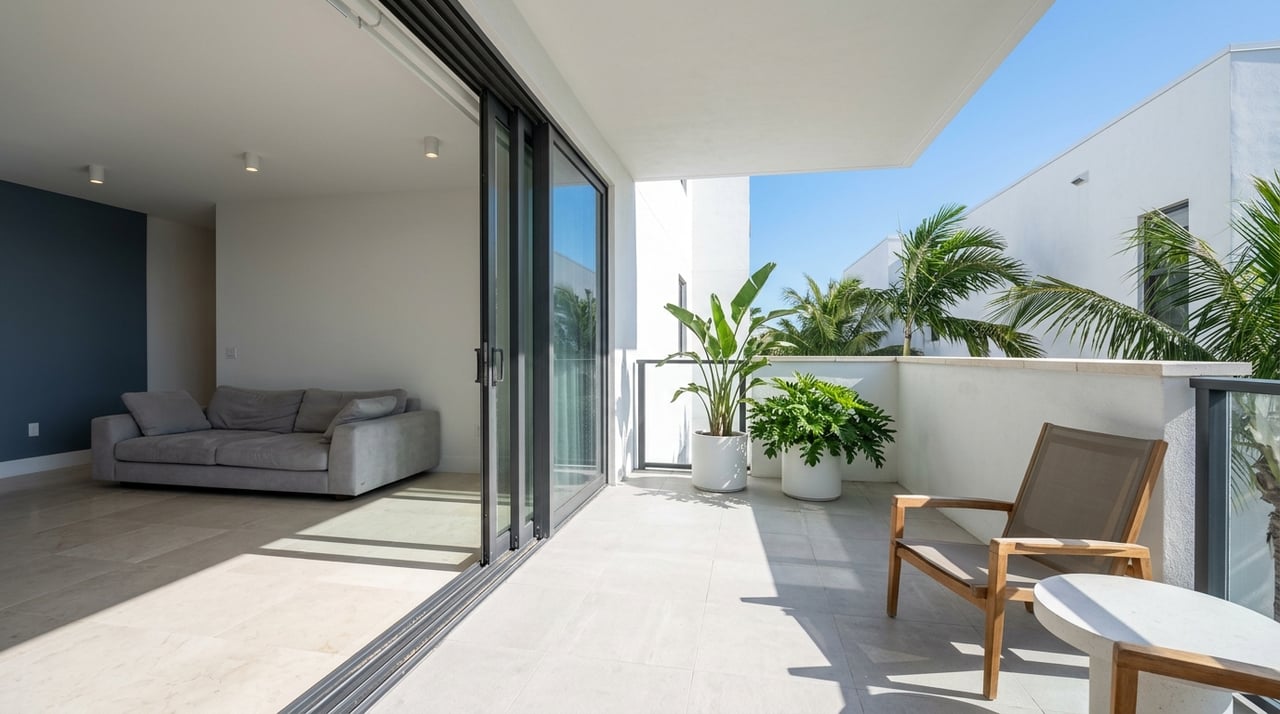
If you want a home base that feels easier to leave for weeks or months at a time, a condo often makes sense. Shared building systems and association management can reduce some of the day-to-day ownership tasks that come with a house. For many part-time owners, that convenience is the biggest selling point.
In Florida, condominium associations also operate under stricter reserve and building oversight rules. State law requires structural integrity reserve studies at least every 10 years for certain condo buildings that are three habitable stories or higher, and the studies cover major building components like the roof, structure, plumbing, electrical systems, waterproofing, windows, and exterior doors. For budgets adopted on or after December 31, 2024, many owner-controlled associations subject to that law generally cannot vote to underfund those required reserves.
That structure can support long-term building planning, but it also affects your monthly cost. When you buy a condo, you should expect to review association fees, reserve funding, and any history of special assessments. A condo may feel more turnkey, but it is never maintenance-free from a financial standpoint.
Condo questions to ask early
Before you make an offer, ask for details that show how the building operates in real life:
- Current monthly association fees
- Reserve funding status
- Any special-assessment history
- Recent structural reserve or milestone documents, if applicable
- Leasing minimums and rental restrictions
- Pet rules and approval requirements
Houses offer more privacy and control
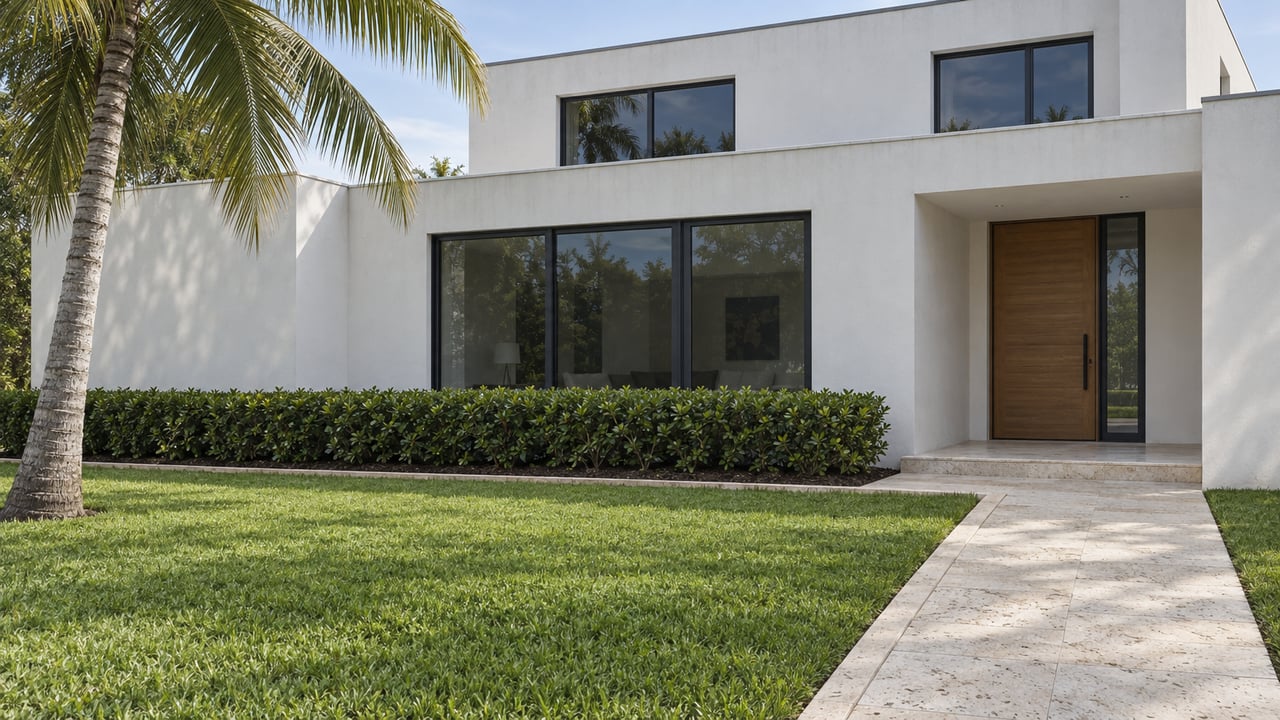
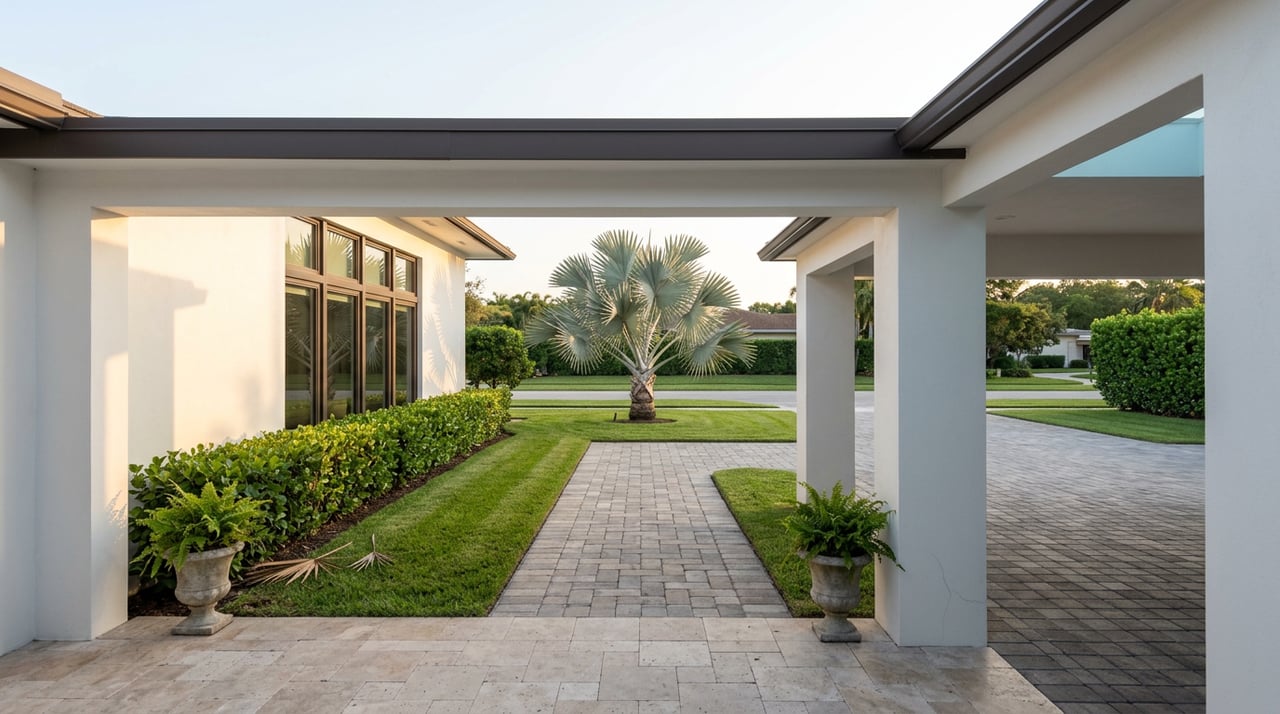
A house is often the better fit if you care most about privacy, outdoor space, and having fewer building-level rules. You control more of the property directly, and you are not sharing walls, hallways, elevators, or amenity spaces. For some buyers, that ownership style feels more relaxing and personal.
There is a tradeoff, though. A house usually means more direct responsibility for maintenance, repairs, insurance planning, and long-term upkeep. In Miami Beach, that matters even more because the cost of owning and protecting the property can be substantial.
If the house is within an HOA, you still need to review the rules and dues. Florida’s HOA framework is generally more flexible than condo law when it comes to reserves, but that does not mean you can skip due diligence. You still need to understand what restrictions apply and what the community expects from owners.
Rental plans need extra care in Miami Beach
A lot of vacation-home buyers hope to offset costs with occasional rental income. In Miami Beach, that is one of the biggest areas where assumptions can get expensive.
The City of Miami Beach tightly regulates short-term rentals. According to the city, vacation or short-term rentals of less than six months and one day are prohibited in all single-family homes and in many multifamily residential buildings in certain zoning districts. That means you cannot assume a house will work as a short-term rental just because it is a vacation home.
Even where short-term rentals are permitted, there are multiple layers of compliance. The city requires an approved Certificate of Use, a state license, Resort Tax registration, a notarized affidavit, and proper display of the city-issued Business Tax Receipt number and Resort Tax certificate number in advertisements or listings. For condos, the city also requires a recent letter from the association confirming that short-term rental is allowed for that specific unit.
Why this matters for condos and houses
A condo is not automatically rental-friendly, and a house is not automatically off-limits only because it is a house. The legal answer depends on the property’s zoning or use status and, for condos, the building’s own governing documents. If rental income is part of your plan, this should be one of the first things you verify, not one of the last.
Taxes and exemptions affect your budget
Many vacation-home buyers focus on purchase price and forget to model long-term carrying costs. In Miami Beach, property taxes can look different on a second home than on a primary residence.
Miami-Dade County’s Property Appraiser states that the homestead exemption is available only to permanent owners of a primary residence. Most exemptions also require living on a homesteaded property. If you are buying a true vacation home, you should not assume you will receive homestead treatment.
There is some protection on non-homesteaded property because the annual assessment increase cap is 10%, according to the Property Appraiser. Still, that is not the same as the benefits tied to homestead status. It is important to budget as a second-home owner from day one.
Flood exposure is a major ownership factor
In Miami Beach, flood risk is not a side note. It is a core part of the ownership decision for both condos and houses.
The City of Miami Beach describes itself as a low-lying coastal island vulnerable to flooding, storm surge, and sea-level rise. The city also states that 93% of all buildings are in the Special Flood Hazard Area. Flood insurance is required for federally backed mortgages in those areas and is recommended for all properties.
The city notes that its participation in the Community Rating System provides most National Flood Insurance Program policyholders with a 25% discount. Even so, you should still budget early for flood and wind-related costs. That applies whether you are comparing a waterfront condo, an inland condo, or a single-family house.
Flood questions worth asking
As you compare options, ask for clear property-specific details:
- Flood zone designation
- Elevation information, if available
- Estimated flood insurance cost
- Wind insurance expectations
- Any recent mitigation or resilience upgrades
Which property type fits your vacation-home goals?
For many buyers, the decision becomes clearer when you focus less on the dream image and more on the ownership experience you actually want.
Condo may be the better fit if you want:
- A lock-and-leave setup
- Lower day-to-day upkeep
- Amenity-driven living
- A lower purchase price entry point than a house
- A property that matches part-time use, assuming the association rules work for you
House may be the better fit if you want:
- More privacy
- More outdoor space
- Greater direct control over the property
- Longer seasonal stays or room for gatherings
- An ownership style with fewer condo-style building rules
The cost difference is still hard to ignore. In Miami Beach, houses sit in a much smaller and more expensive segment of the market than condos. If you love the idea of a house, it helps to go in with a realistic budget and a clear picture of maintenance and insurance responsibilities.
How to make the right choice
The best vacation home is the one that fits your real-life pattern, not just your wishlist. If you will visit a few times a year and want a simpler ownership experience, a condo may be the better match. If privacy, space, and control matter more, and you are comfortable with a higher price point and more hands-on planning, a house may be worth it.
In Miami Beach, this decision should always include a close review of rental rules, association documents, taxes, and flood exposure. Those details often shape your long-term satisfaction more than finishes, views, or curb appeal. A thoughtful side-by-side comparison can save you time, money, and surprises later.
If you are comparing condos and houses in Miami Beach, the right guidance can help you narrow the field quickly and avoid properties that do not fit your goals. The Ramona Bautista Team offers responsive, high-touch support for South Florida buyers who want a clear strategy, local insight, and a smoother path to the right second home.
FAQs
What is the main difference between a Miami Beach condo and house for vacation-home buyers?
- A condo usually fits a lock-and-leave lifestyle with more shared management, while a house usually offers more privacy and control but comes with more direct maintenance responsibility.
Are Miami Beach condos cheaper than houses for vacation-home buyers?
- Usually, yes. PropertyShark reported a Q4 2025 median condo sale price of $447,000 in Miami Beach, compared with a median house sale price of $2.6 million.
Can you rent out a Miami Beach vacation home short term?
- Not automatically. The City of Miami Beach tightly regulates short-term rentals, and eligibility depends on zoning or use rules plus any condo association restrictions for that specific property.
Do Miami Beach condo buildings allow short-term rentals?
- Some may, but you must verify it. The city requires condo owners seeking short-term rental approval to provide a recent letter from the association confirming that short-term rental is allowed for the specific unit.
Do vacation-home buyers in Miami Beach get the homestead exemption?
- Generally, no. Miami-Dade County states the homestead exemption is available only to permanent owners of a primary residence.
Is flood insurance important for Miami Beach vacation homes?
- Yes. The City of Miami Beach says 93% of all buildings are in the Special Flood Hazard Area, making flood exposure a major budget and planning issue for buyers.
What should you review before buying a Miami Beach condo as a second home?
- You should review association fees, reserve funding, any special-assessment history, structural reserve or milestone documents if applicable, leasing rules, pet policies, and approval requirements.
What should you review before buying a Miami Beach house as a second home?
- You should review flood zone information, insurance expectations, maintenance needs, any HOA rules or dues, and whether the property fits your intended use and length of stay.